
14 October 2026
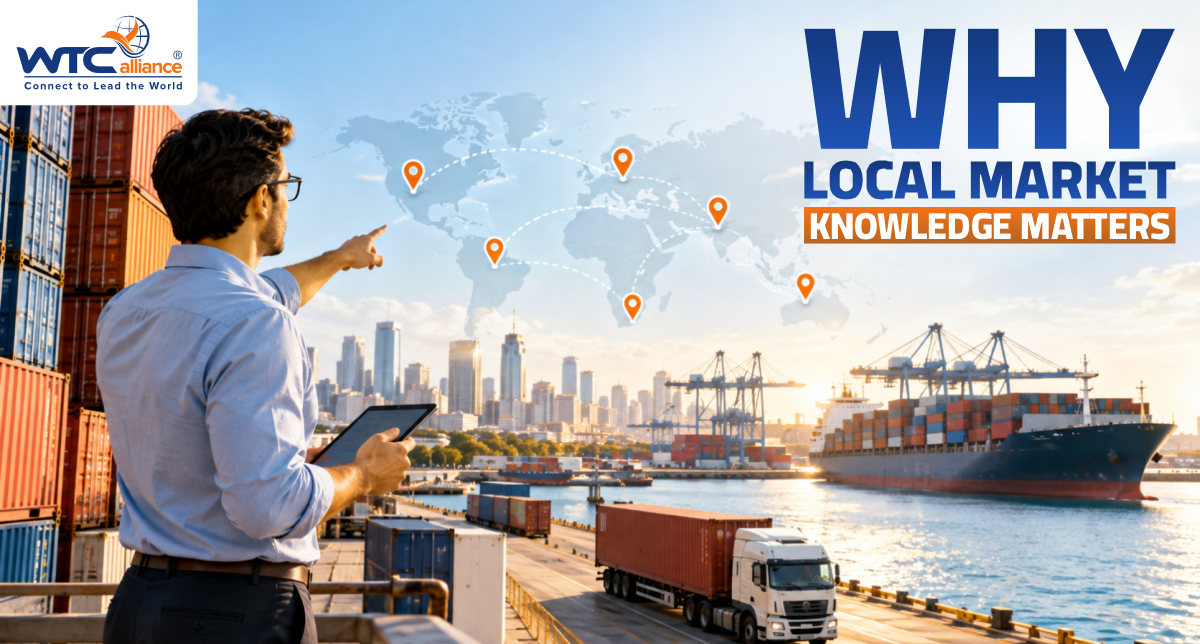
International freight may cross several countries and transport networks, but successful logistics still depends on local conditions. Customs, infrastructure, regulations, business practices and communication can vary significantly between markets.
This makes local market knowledge an important competitive advantage. A forwarder may have strong international connections and competitive rates, but unfamiliar local conditions can still cause delays, unexpected costs or customer dissatisfaction.
Local knowledge goes beyond knowing where a port or airport is located. It includes understanding customs procedures, documentation, local carriers, infrastructure, regulations, holidays, inland transport and potential bottlenecks.
The World Bank's Logistics Performance Index highlights customs, infrastructure, logistics competence, tracking and timeliness as important parts of logistics performance. A global route is ultimately made up of local realities.
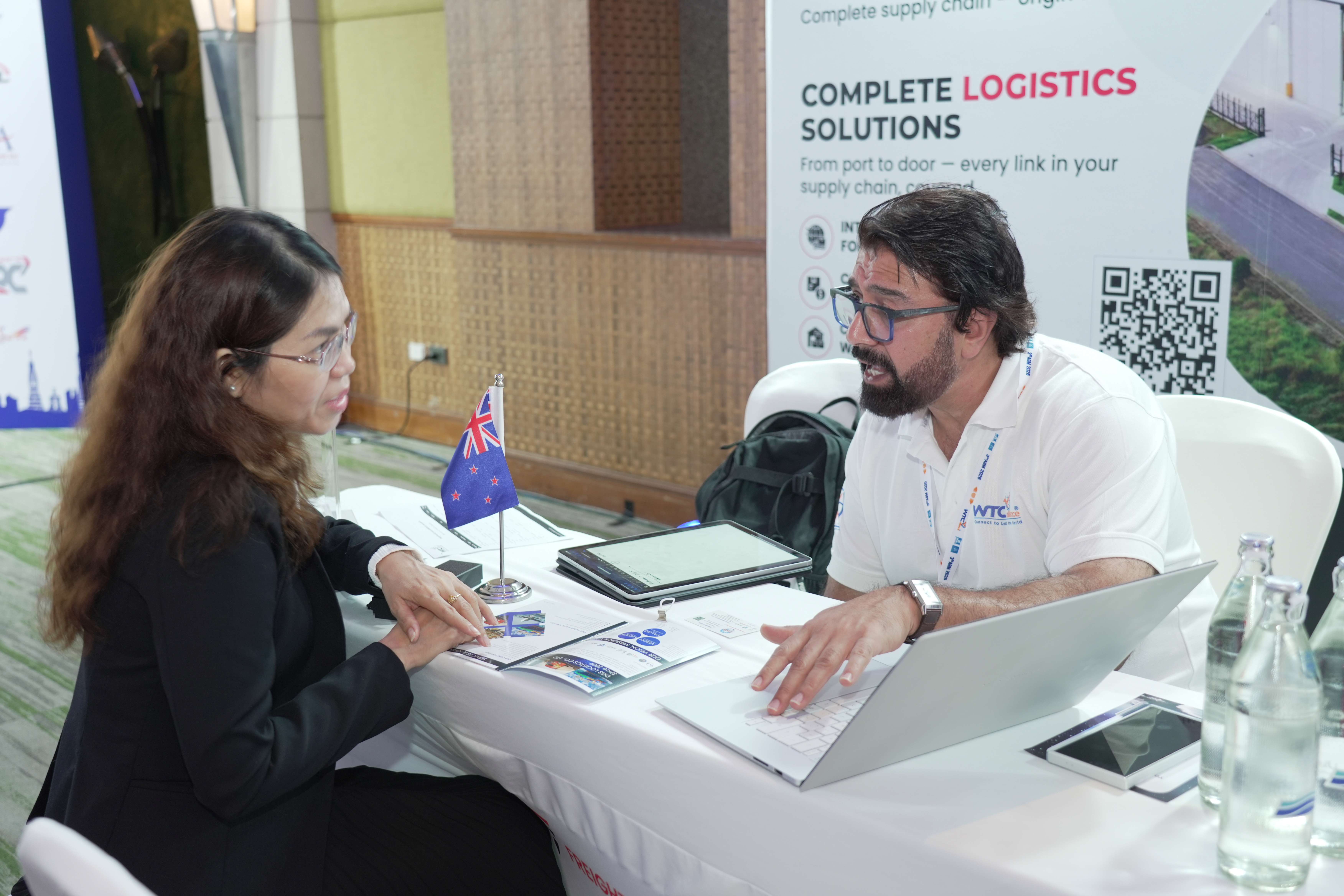
Customs procedures can differ significantly between countries. Local partners can help forwarders understand documentation requirements, clearance practices and regulations that may affect a shipment.
UNCTAD reported in 2026 that non-tariff measures such as technical regulations, health requirements and certification procedures create significant trade costs. Understanding the regulatory environment can therefore be as important as knowing the freight rate.
WTC Alliance's freight forwarding guide provides further context on international freight responsibilities.
Two countries may have major ports and airports but very different logistics conditions. One gateway may offer better inland connectivity, while another may face congestion or access restrictions.
Local expertise helps forwarders choose practical routing options based on actual operating conditions rather than standard routes or theoretical transit times.
International logistics depends heavily on communication and relationships. Negotiation, decision-making and problem-solving can work differently across markets.
A local partner who understands the business environment can coordinate more effectively with carriers, warehouses, customs representatives and transport providers when issues arise.

Local expertise becomes especially valuable when serving unfamiliar or emerging markets. Differences in infrastructure, regulations and logistics capabilities can affect how cargo moves.
UNCTAD reported that South-South trade reached approximately $6.8 trillion in 2025, highlighting the growing importance of trade between developing economies.
Local knowledge also helps forwarders give customers better answers. When a customer asks, “What is the best way to ship this cargo into this country?”, the answer involves more than a freight rate. Customs, gateways, inland transport, documentation and delivery conditions all matter.
WTC Alliance's guide on how freight forwarders help businesses ship globally explores this wider role.
Digital tools provide shipment visibility, automate processes and improve communication, but they cannot always explain why a shipment is delayed or which local solution is most practical.
Technology and local expertise work best together. Digital tools provide information, while market knowledge helps put that information into context.
Local market knowledge can help freight forwarders win international business. Understanding a market's gateways, regulations, transportation options and challenges allows forwarders to provide more useful solutions to customers.
A strong international network can extend a company's market knowledge without requiring a physical office in every destination.
Global freight forwarding depends on both international reach and local understanding. Connections create opportunities, while knowledge of local markets helps turn those connections into reliable logistics solutions.
As supply chains become more complex, customers will increasingly value forwarders that combine transportation capabilities with practical market knowledge.
Build global connections, but understand the local details that make them work.
WTC Alliance brings freight professionals together across international markets, helping members build relationships and connections across borders. Explore WTC Alliance.
Copyright © 2026 All Rights Reserved by WORLD TOP CARGO ALLIANCE LTD
Design and Developed by infinGlobal